Protein Quality and Thermic Effect
Evidence-informed exploration of how different protein sources affect metabolic energy expenditure and tissue synthesis.
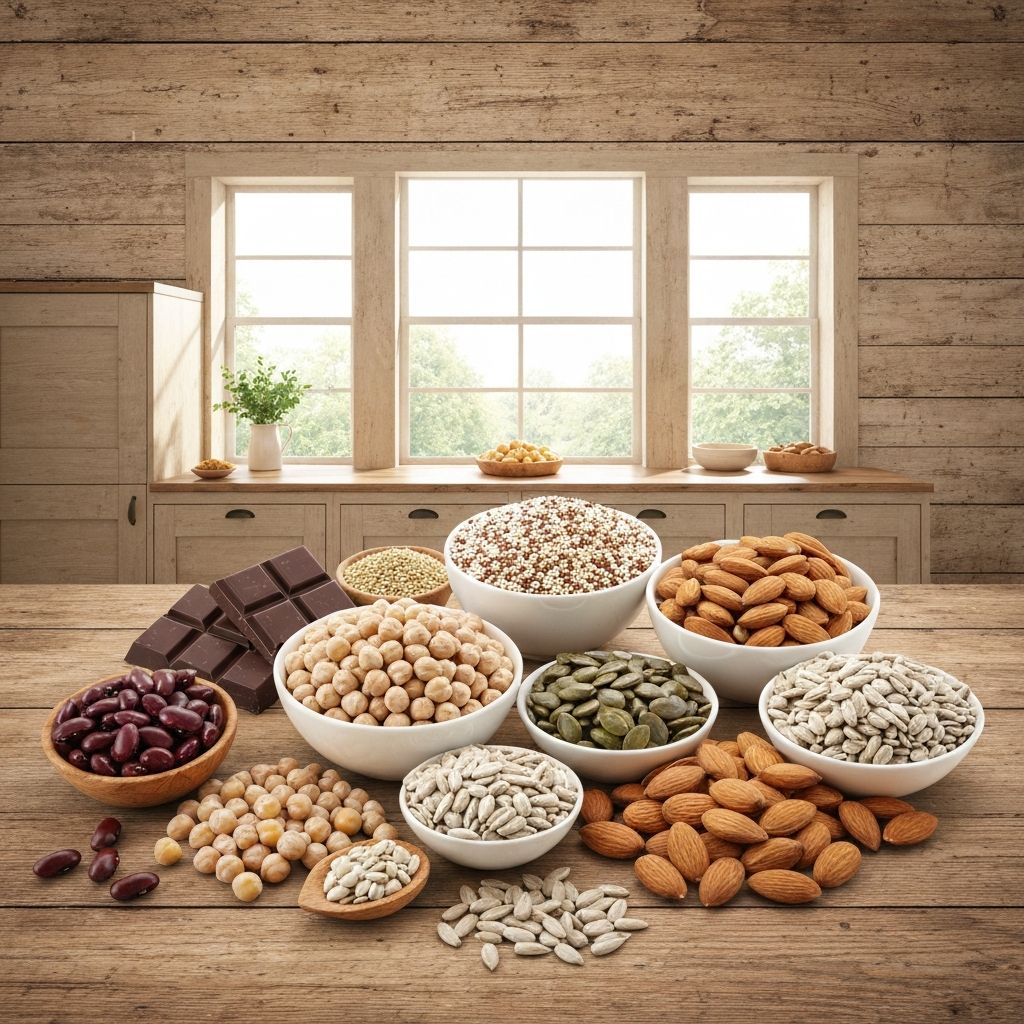
What is Thermic Effect of Food?
The thermic effect of food (TEF), also called diet-induced thermogenesis, refers to energy expended during digestion, absorption, and processing of nutrients. All macronutrients require energy to process, but they differ in their thermic demands.
Protein generally produces the highest thermic effect, requiring approximately 20-30% of its caloric content for digestion and processing, compared to 5-10% for carbohydrates and 0-3% for fats.
Protein Quality
Protein quality refers to the amino acid composition and bioavailability of a protein source. Complete proteins contain all nine essential amino acids in adequate proportions. Incomplete proteins lack one or more essential amino acids.
Complete protein sources include animal products (meat, fish, dairy, eggs) and some plant combinations (legumes with grains). Incomplete proteins include individual legumes or grains alone.
Amino Acid Composition and Utilisation
Different protein sources contain different amino acid profiles. The body requires all nine essential amino acids for protein synthesis and various metabolic functions. Proteins with complete essential amino acid profiles require less supplementary amino acid processing.
Higher protein quality may result in more efficient tissue synthesis and potentially higher thermic effect due to more complex processing requirements.
Source Factors Affecting Thermic Response
Beyond the protein macronutrient itself, food structure matters. Legume-based proteins come packaged with fibre and carbohydrates, affecting digestive time. Processed protein sources may require different metabolic handling than whole foods.
The combination of protein with other nutrients influences total metabolic response—protein consumed with fibre, for example, produces a different physiological effect than isolated protein.
Thermic Effect and Body Composition
The thermic effect of food constitutes roughly 10% of total daily energy expenditure in most people. While measurable, this is a modest component of total energy balance. Higher protein intake may modestly elevate daily energy expenditure, but total energy intake remains the primary determinant of energy balance.
Muscle Synthesis and Maintenance
Adequate protein intake, particularly with essential amino acids, supports muscle protein synthesis and maintenance. Resistance exercise combined with sufficient protein intake supports muscle preservation and development across the lifespan. This has implications for metabolic rate since muscle tissue is metabolically active.
Individual Variation
Protein requirements vary based on age, sex, activity level, muscle mass, and metabolic health. Athletes and older adults typically have higher protein requirements than sedentary younger adults. Individual responses to various protein sources also vary.
Informational Note: This article explains physiological mechanisms. Individual protein needs vary significantly. Consult a healthcare provider or registered dietitian for guidance on your personal protein requirements.